
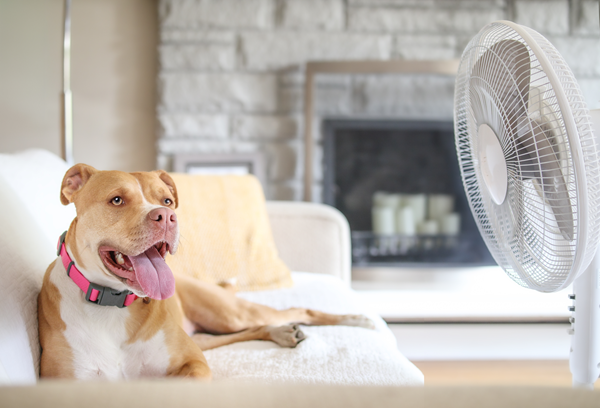
Summer is celebrated for beach trips and more time outdoors, but it also brings rising temperatures that can quickly become dangerous for four-legged family members. Unlike people, pets have limited ways to cool themselves. Dogs pant to release heat, while cats depend largely on grooming and seeking cool places. That means even a warm day can put them at risk for heat exhaustion or life-threatening heat stroke.
Keep your pets safe this summer with these 10 essential vet-approved hot weather tips.
1. Never Leave Your Pet in a Parked Car
Even with the windows cracked or the car parked in the shade, temperatures inside a vehicle can kill within minutes. Heat stroke is one of the most common and preventable warm-weather emergencies seen by veterinarians. When in doubt, leave your pet at home where it’s cool and comfortable.
2. Walk During the Coolest Parts of the Day
Early morning and late evening are the safest times for walks or playtime. Avoid strenuous exercise during the hottest part of the day, especially if humidity is high. High humidity limits how well pets can cool themselves, even if the air temperature doesn’t seem extreme.
3. Test the Pavement Before Heading Out
Asphalt, concrete, and sand can become hot enough to burn paw pads. Whenever possible, stick to grassy areas or shaded trails.
A simple rule is: If it’s too hot for the back of your hand for seven seconds, it’s too hot for your pet’s paws.
4. Make Shade and Fresh Water Available at All Times
Whenever your pet is outside, for any amount of time:
- Provide plenty of cool, fresh drinking water.
- Ensure they have access to shade throughout the day.
- Consider cooling mats, fans, or air-conditioned spaces during heat waves.
Remember that dog houses can become extremely hot and may actually trap heat instead of providing relief.
5. Know Which Pets Are at Higher Risk
Some pets overheat much more quickly than others, including:
- Flat-faced (brachycephalic) breeds, such as bulldogs, pugs, Boston terriers, and Persian cats
- Senior pets
- Puppies and kittens
- Overweight pets
- Pets with heart or respiratory disease
- Thick-coated breeds
These pets can develop heat stroke even on moderately warm days.
6. Don’t Forget Indoor Pets
Heat isn’t just an outdoor problem.
Homes without air conditioning, and homes with sunrooms, garages, and poorly ventilated rooms can become dangerously warm.
Keep curtains closed during the hottest hours, provide cool resting areas, and ensure pets always have access to water.
7. Learn the Warning Signs of Heat Stroke
Heat stroke is a true medical emergency. The sooner you recognize it, the better your pet’s chance of recovery.
Watch for:
- Excessive panting
- Heavy drooling
- Bright red, pale, or bluish gums
- Dry or sticky gums
- Weakness or lethargy
- Disorientation or confusion
- Vomiting or diarrhea
- Collapse
- Tremors or seizures
Without prompt treatment, heat stroke can lead to organ failure and become fatal.
8. Know What To Do if You Suspect Heat Stroke
If your pet appears overheated:
- Move them immediately into a cool, shaded, or air-conditioned area.
- Pour or spray cool (not ice-cold) water over their body, especially the belly, armpits, paws, and neck.
- Use a fan to increase cooling.
- Offer small amounts of cool water if they are alert and able to drink.
- Contact your veterinarian or the nearest emergency hospital immediately.
Avoid using ice baths or ice water, as rapid surface cooling can prevent internal cooling. Also avoid covering your pet with wet towels, as they can trap heat instead of allowing it to escape.
9. Don’t Wait to See if They Improve
Even if your pet seems better after cooling down, they still need veterinary attention. Heat stroke can cause delayed complications including:
- Kidney damage
- Blood clotting disorders
- Brain injury
- Organ failure
Early veterinary treatment—including intravenous fluids, oxygen therapy, and careful monitoring—can dramatically improve the outcome.
10. Prevention Is Always Better Than Treatment
Most cases of heat stroke are entirely preventable. Before spending time outdoors, ask yourself:
- Is it too hot for exercise? Or to be outside at all?
- Is there shade available?
- Does my pet have water?
- Is my pet in a higher-risk group?
- Could this activity wait until it’s cooler?
Summer Safety Starts With You
Hot weather can become dangerous surprisingly quickly, but simple precautions can make all the difference. By recognizing the signs of heat stroke, knowing basic first aid, and avoiding common risks like hot cars and midday exercise, you can help your pet enjoy a fun—and safe—summer.